
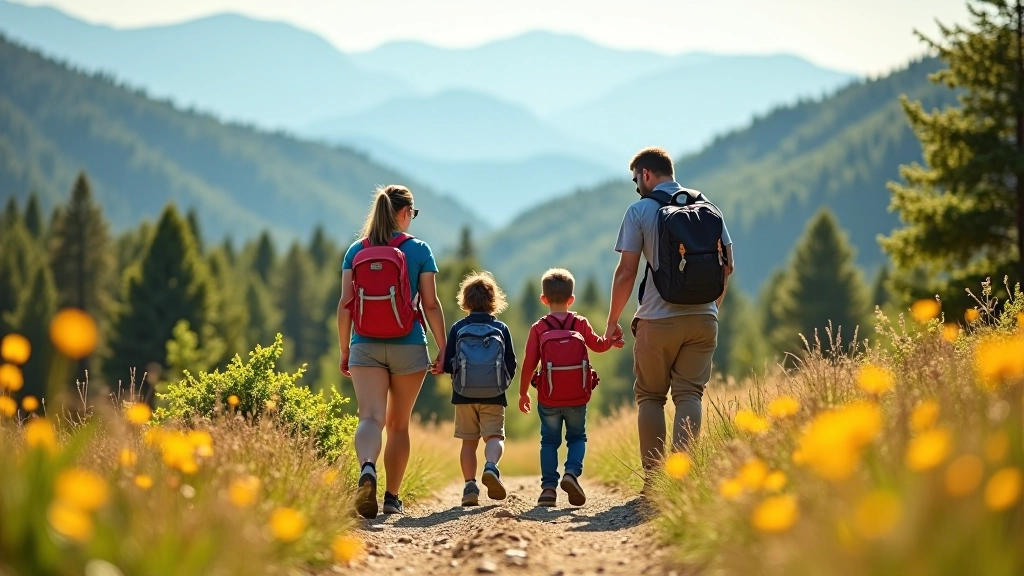
Nature Exploration Groups & Community Outings
Discover how to find, join, and make the most of organized nature groups and community outdoor adventures for the whole family.
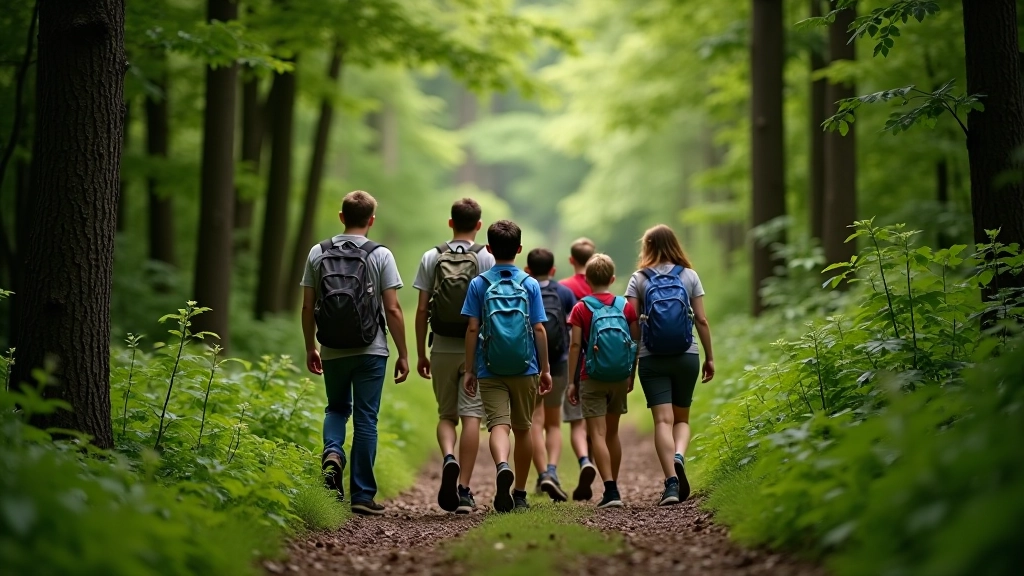
Getting Started with Group Outings
Looking to explore nature but want to do it with others? You're not alone. Thousands of families across the United States join organized nature exploration groups every year. Whether you're hiking forest trails, exploring local parks, or attending seasonal outdoor festivals, community groups offer structure, safety, and friendship.
The best part? These groups aren't just about the activity itself. They're about connecting with people who share your interests, learning from experienced outdoors enthusiasts, and discovering places you might never have found on your own. We'll walk you through everything you need to know to find and join a group that fits your family.

Types of Nature Groups You'll Find
Community outdoor groups come in many forms, each with different focuses and energy levels.
Hiking & Trail Groups
Regular outings on established trails. Most offer different difficulty levels — beginner-friendly flat routes, moderate hikes with elevation gain, and challenging alpine adventures. These groups usually meet weekly or bi-weekly.
Park & Nature Exploration
Slower-paced groups focused on observing wildlife, plants, and natural features. These often include educational components about local ecosystems. Perfect for families with younger children who move at a relaxed pace.
Seasonal Festival Groups
Organized outings to seasonal events — wildflower festivals in spring, outdoor concerts in summer, harvest celebrations in fall. These groups coordinate group attendance and transportation.
Family-Specific Groups
Designed specifically for parents with kids. Activities are chosen with family participation in mind — snack breaks built in, manageable distances, and plenty of playtime at destinations.
Specialty Groups
Birdwatching clubs, photography groups, plant identification societies. These combine nature exploration with a specific interest or hobby. Great if you want to develop new skills while outdoors.
Adventure & Activity Groups
More active outings like kayaking, rock climbing, or backcountry camping. Usually require some experience or training. Tend to be goal-oriented with specific challenges.
Where to Find Nature Groups
The hardest part isn't joining — it's finding the right group in your area. Here's where most people discover their communities:
1
Parks & Recreation Departments
— Your city or county website lists official programs and
community groups. They're vetted and usually have insurance
coverage.
2
Online Communities
— Meetup.com has thousands of outdoor groups. You can filter
by activity type, location, and experience level. Most
groups use Facebook for daily coordination.
3
Nature Centers & Visitor Information
— State parks and nature centers host their own programs.
Staff can recommend other groups and upcoming community
events.
4
Local Libraries & Community Boards
— Bulletin boards still exist! Libraries often have flyers
for community groups and upcoming outdoor events in your
area.
5
Word of Mouth
— Ask at local outdoor shops, yoga studios, or farmer's
markets. People who care about nature tend to know each
other. You'll find groups this way that aren't advertised
online.

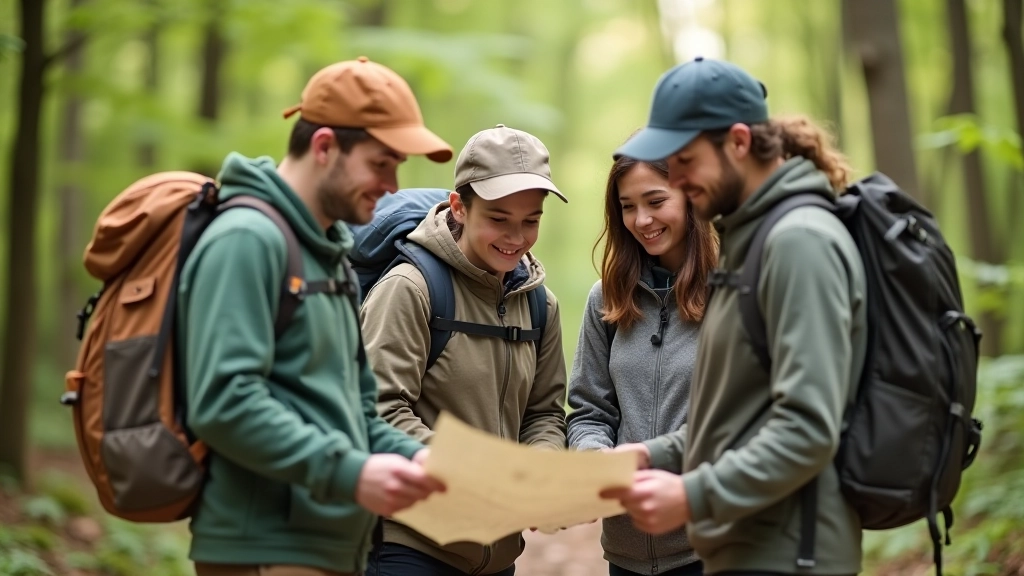
Evaluating a Group Before You Join
Not every group is right for every family. Before committing, ask these questions:
- What's the pace and distance? — Can your kids handle it? Do they offer shorter routes or rest stops?
- How experienced are the leaders? — Are they certified? Do they have first aid training? Have they led groups before?
- What's the group size and vibe? — Is it 8 people or 80? Casual and social or focused and quiet? Visit one outing before committing.
- Are there costs involved? — Some groups are free. Others charge membership or per-trip fees. Make sure it fits your budget.
- How's the communication? — Do they send updates? Can you reach the leader with questions? Is the schedule posted in advance?
- What's the age range? — If you have young kids, are other families present? Or is it mostly adults?
Preparing for Your First Outing
A little planning makes the difference between a great experience and a frustrating one.
1
Check the Route & Conditions
Ask for details about terrain, elevation, distance, and current conditions. Don't assume the trail is in good shape — recent weather can change everything. Ask about water sources and bathroom availability.
2
Gear & Clothing
Wear layers — mornings are cool even in spring. Bring more water than you think you'll need. Good footwear matters. Check weather forecasts and bring rain gear if needed. Sun protection is essential year-round.
3
Set Realistic Expectations
You won't see wildlife on command. Weather might not cooperate. The group might move faster or slower than expected. Go for the experience, not to check boxes. This mindset makes everything better.
4
Arrive Early & Be Respectful
Show up 10-15 minutes before start time. Introduce yourself to the leader. Follow their instructions about pacing, breaks, and rules. Respect the group's culture — if it's social, chat. If it's quiet, don't disrupt.
Real Benefits of Group Outings
"My daughter wasn't interested in hiking until we joined the family group. Now she actually asks when the next outing is. Plus, we've met families we do other things with — it's become a real community."
— Jennifer, parent of two
Beyond just getting outside, organized groups create structure. You don't have to plan routes — the leader does. You get guidance about difficulty and pace. Kids are around other kids, so there's built-in socializing. And you're part of something bigger than a single family outing.
There's also accountability. It's easier to commit to a regular group than to motivate yourself solo. Most people who join groups become regular participants because the social element keeps them coming back. That consistency is what creates real health benefits — not sporadic hikes, but regular outdoor activity.

Tips for Getting the Most from Group Experiences
You'll get out what you put in. Here's how to make it meaningful.
During the Outing
- Stay present. Put the phone away. You're here to experience nature and connect with people, not document everything.
- Chat with others. You'll find out about other groups, future events, and local recommendations. The best information comes from other participants.
- Help younger kids or slower hikers. Groups work better when people look out for each other. You'll feel good about it, and they'll remember.
- Ask the leader questions. They know the area and can teach you things. Most leaders love talking about the landscape, wildlife, and history.
- Bring snacks to share. Not required, but trail mix or fruit is always appreciated. It's a simple way to contribute to group culture.
Building Community
- Come regularly. People recognize faces. After 3-4 outings, you'll know the regulars and they'll know you.
- Offer to lead an outing. Once you know the area, volunteer to guide a trip. Groups always need leaders.
- Connect on social media. Most groups have a Facebook page or group chat. Join it and stay updated on routes, weather changes, and group news.
- Invite friends. Groups grow through word-of-mouth. When you find a good one, invite people you know would fit.
- Attend social events. Many groups do dinners, holiday parties, or casual meet-ups. Show up if you can — it deepens the friendships.

Seasonal Festivals & Special Events
Beyond regular group outings, seasonal festivals offer concentrated outdoor experiences. Spring brings wildflower festivals and bird migration events. Summer features outdoor concerts, farmer's markets, and lake activities. Fall offers harvest festivals and peak foliage hikes. Winter has holiday light walks and snowshoe adventures.
Many organized groups coordinate group attendance at these events — sometimes booking group discounts or arranging transportation. It's a great way to experience different activities without planning everything yourself. Check your state parks website and local tourism boards for event calendars. Most festivals are free or have minimal entry fees.
Pro tip: Follow festival pages on social media a month before the event. They announce group activities, workshops, and special programming. You'll discover experiences you wouldn't find otherwise.
Your Adventure Starts Now
Nature exploration doesn't have to be a solo family project. Some of the best outdoor experiences happen when you're part of a community. You'll discover new trails, meet people you actually like, and create lasting memories. Most importantly, you'll build a habit of regular outdoor activity that sticks with your family.
Start this week. Search Meetup.com for groups in your area, call your local parks department, or visit a nature center. Attend one outing. See how it feels. Chances are, you'll be hooked — not just on the activity, but on the community itself.
Ready to explore?
Check your local parks department website or search Meetup.com for nature groups starting this month.
Explore More ActivitiesImportant Disclaimer
This article is for informational purposes to help families learn about nature exploration groups and community outdoor activities. Outdoor activities carry inherent risks including but not limited to weather exposure, terrain hazards, and physical exertion. Always check current trail conditions, weather forecasts, and group requirements before participating. Follow all safety guidelines provided by group leaders and park authorities. Parents should assess whether activities are appropriate for their children's abilities. When in doubt, consult with group leaders or outdoor professionals. We're not liable for any injuries or incidents related to outdoor activities. Stay safe and enjoy responsibly.
Related Articles