
Finding Great Community Parks Near You
Your guide to discovering hidden gems and popular gathering spots perfect for family weekends, group activities, and outdoor adventures.

Why Community Parks Matter
There's something special about a good neighborhood park. It's where kids learn to climb, where neighbors become friends, and where families escape the everyday routine without leaving town. But finding that perfect spot — the one with equipment that actually works, paths that are safe, and enough space for everyone — can feel overwhelming.
The thing is, most people don't realize how many options are actually within a short drive. Parks in your area aren't just green spaces. They're community anchors. Many host seasonal festivals, nature education programs, and group activities that you'll never find advertised on social media.
How to Start Your Park Search
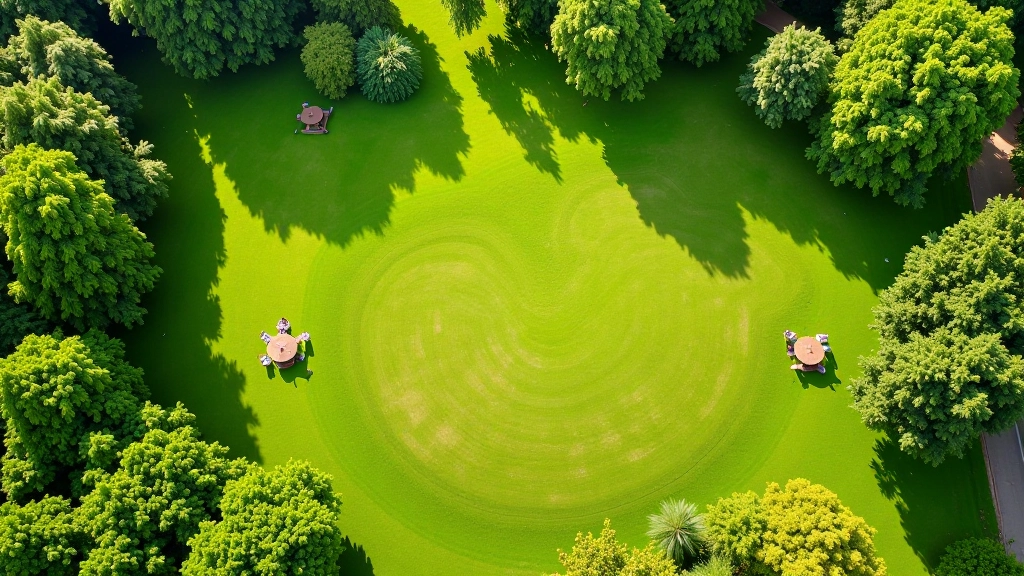
Your city or county parks department website is your first stop. Most have interactive maps showing every public park within city limits — complete with amenities, hours, and parking information. You'll typically find details about playground equipment, sports courts, picnic areas, and trail conditions.
But here's what most people miss: the local community Facebook groups and neighborhood apps like Nextdoor. Residents post real experiences. They'll tell you which parks have working bathrooms, which ones get crowded on weekends, and which ones have the best shade for summer picnics. This insider knowledge is gold.
Don't skip the parks that look small on the map. Some of the best-kept secrets are neighborhood parks with just a few acres. They're often less crowded, have strong community involvement, and host intimate events you won't find anywhere else.

What to Look For When You Visit
Natural Features
Shade trees, water features, and walking trails make a park more enjoyable year-round. Look for a mix of sun and shade areas. Parks with native plants attract more wildlife and feel more connected to nature.
Facilities & Equipment
Check equipment condition and age-appropriateness. A park with varied playground equipment for ages 2-12 works better for families. Basketball courts, tennis courts, and sports fields add options for older kids and adults.
Safety & Accessibility
Good lighting, clear sightlines, and maintained pathways matter. Check for wheelchair-accessible entrances, accessible bathrooms, and parking close to facilities. These details make parks inclusive for everyone.
Events & Programming
Summer concerts, farmers markets, nature walks, and holiday celebrations bring parks to life. Check the parks department website or social media for upcoming events. Many are free or low-cost.
Picnic & Rest Areas
Tables, grills, and benches make parks more functional for families. Bathrooms and water fountains aren't luxuries — they're essentials. A park without reliable facilities won't be enjoyable for longer visits.
Parking & Access
Free, ample parking matters. Some parks are beautiful but hard to reach by car. Look for parks with dedicated parking lots rather than street parking. Good access means you'll actually visit regularly.
Parks Change with the Seasons
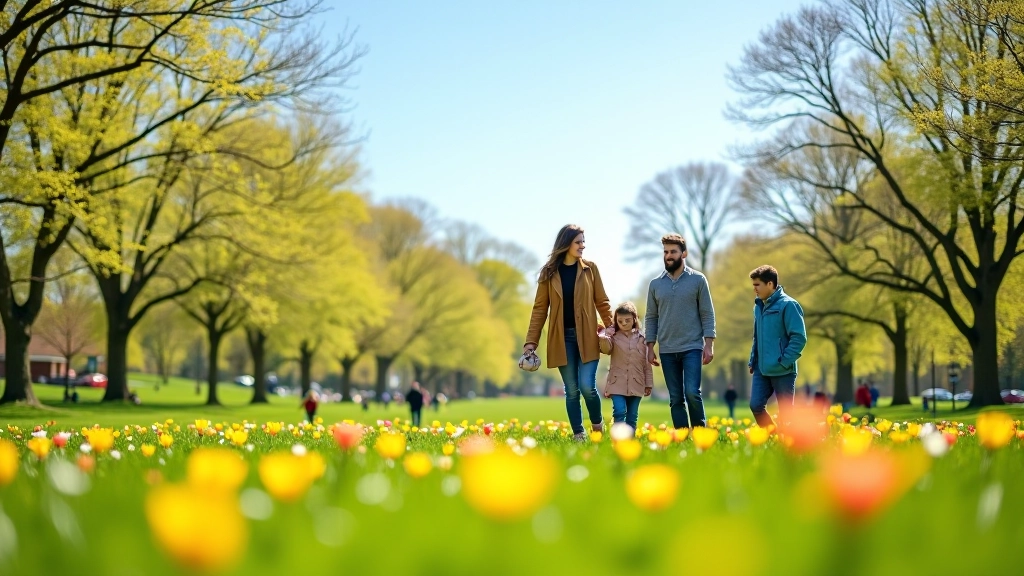
Spring is perfect for exploring trails without extreme heat. Most parks reopen seasonal programs and host community clean-up days. Many have already scheduled summer concert series by April, so check ahead.
Summer means festivals, outdoor movie nights, and nature camps. Parks get crowded, especially on weekends. Weekday mornings are your secret for avoiding crowds while the weather's perfect. Many parks also host early morning tai chi or yoga classes during warm months.
Fall brings cooler temperatures and fewer crowds. Trails become more scenic. Parks often host harvest festivals and outdoor fitness classes. Winter isn't the end — many parks have winter activities like sledding hills and holiday light displays.
Getting Involved in Your Park Community
Parks aren't just spaces to visit — they're communities you can join. Most parks have friends groups or volunteer organizations that maintain trails, organize events, and advocate for improvements. Getting involved connects you with neighbors who care about the same spaces you do.
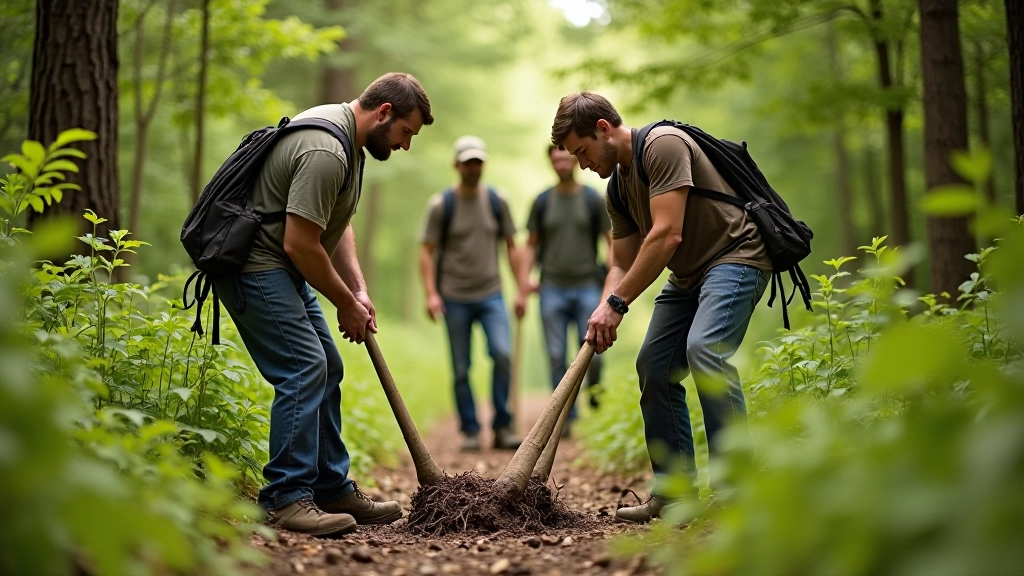
Volunteer opportunities range from light work to serious projects. You might help with a trail cleanup one Saturday morning, or commit to monthly maintenance. Parents often volunteer while kids play nearby. It's a great way to teach kids about community responsibility.
Parks departments also welcome feedback. If you notice problems — broken equipment, unsafe conditions, or poor maintenance — report it. Most cities have online systems for submitting park concerns. Your voice directly influences how parks improve.
Tools to Help Your Park Search
Parks Department Websites
Your city or county parks department site has official information about every park — amenities, hours, rules, and upcoming events. Start here for accurate, up-to-date details.
Google Maps & Apple Maps
Both platforms show parks with photos, ratings, and real visitor reviews. Check photos to see current conditions. User reviews often mention specific issues or highlights other sources miss.
AllTrails App
Excellent for discovering hiking trails near you. It includes trail length, difficulty, elevation, and thousands of user photos. Great for assessing trail conditions before you go.
Local Community Groups
Nextdoor, Facebook community groups, and neighborhood apps give real resident perspectives. People share genuine experiences and current park conditions.
Your Next Park Adventure Starts Now
Great community parks are closer than you think. They're waiting to become your family's favorite weekend spot, your running trail, or your nature classroom. The key is looking beyond what's immediately obvious and discovering what your local parks actually offer.
Start with your parks department website this week. Pick one new park to visit. Spend an afternoon exploring — walk the trails, check out the facilities, watch how other families use the space. You'll quickly figure out which parks fit your interests and lifestyle.
Once you find your favorites, you're part of something bigger. You're part of the community that keeps these spaces alive and thriving. Parks aren't just green spaces — they're the foundation of healthy, connected neighborhoods.
Related Articles

Disclaimer
This article provides general information about finding and evaluating community parks. Park availability, facilities, hours, and programming vary significantly by location and season. Always check your local parks department website for current information before visiting. Safety conditions, trail maintenance, and available amenities change regularly. Circumstances vary by location, and this content is intended for informational purposes only. When visiting parks, follow all posted rules, stay on marked trails, and supervise children appropriately.