
Best Family Hiking Trails for Beginners
Easy trails that kids actually enjoy — with scenic views, rest spots, and distances that won't wear everyone out.
Why Hiking is Perfect for Families
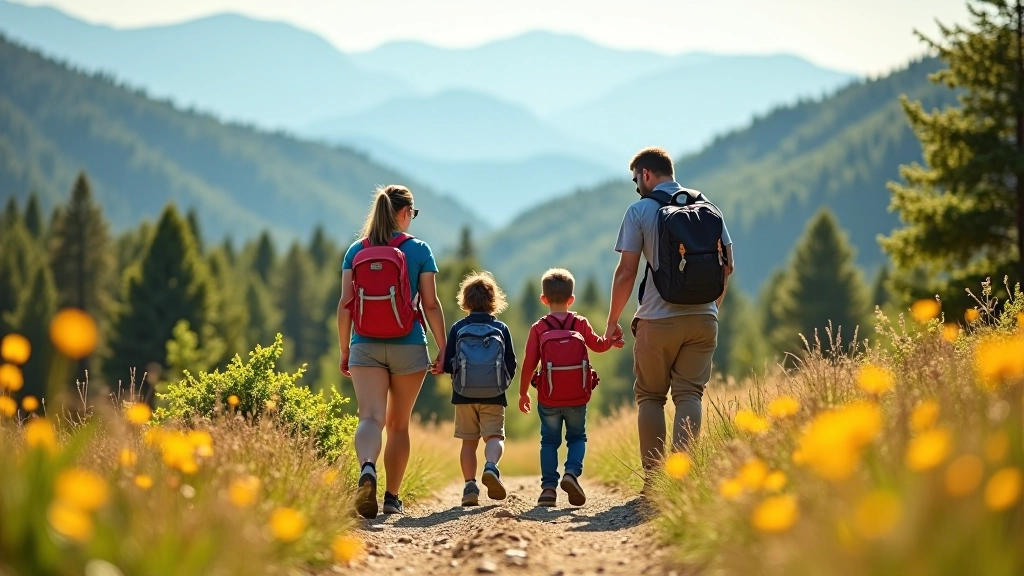
Getting your family outdoors doesn't have to be complicated. You don't need expensive gear, special training, or kids who've done this before. What you do need is a good trail that matches your family's energy level — and that's exactly what we're covering today.
The trails listed here are specifically chosen because they're tested by real families. They've got water sources nearby, manageable inclines, and enough shade to make a break feel refreshing instead of frustrating. Plus, there's always something interesting to see — whether that's a creek crossing, wildflowers in spring, or views that make the climb worth it.

Five Trails That Work for Families
These routes are between 1-3 miles with flat to gentle grades. Most take 1-2 hours at a family pace.
Meadowbrook Loop Trail
Distance: 1.8 miles | Elevation gain: 150 feet | Time: 1.5 hours
This one's perfect if you've got younger kids or this is everyone's first hike. The path is wide enough for strollers, there's a creek that runs alongside most of it, and the meadow at the halfway point is great for a snack break. You'll see wildflowers from April through June, which keeps kids engaged the whole way.
- Paved first 0.5 miles, dirt after
- Two water fountains along the route
- Picnic area at the turnaround point
- Mostly shaded (about 70%)
Cedar Ridge Trail
Distance: 2.2 miles | Elevation gain: 300 feet | Time: 2 hours
If your kids are ready for something slightly more challenging, this trail delivers real scenery without being exhausting. The first mile is steady climbing, but it's gradual — kids don't usually feel like they're working too hard. The payoff is a ridge with views that stretch for miles, and on clear days you can see three states. There's a bench at the top specifically placed for exactly this moment.
- Best in spring and fall
- Rocky sections (good shoe grip needed)
- Natural spring water at 1.5-mile mark
- Mostly open (limited shade)

Lakeside Nature Loop
Distance: 1.4 miles | Elevation gain: 75 feet | Time: 1.25 hours
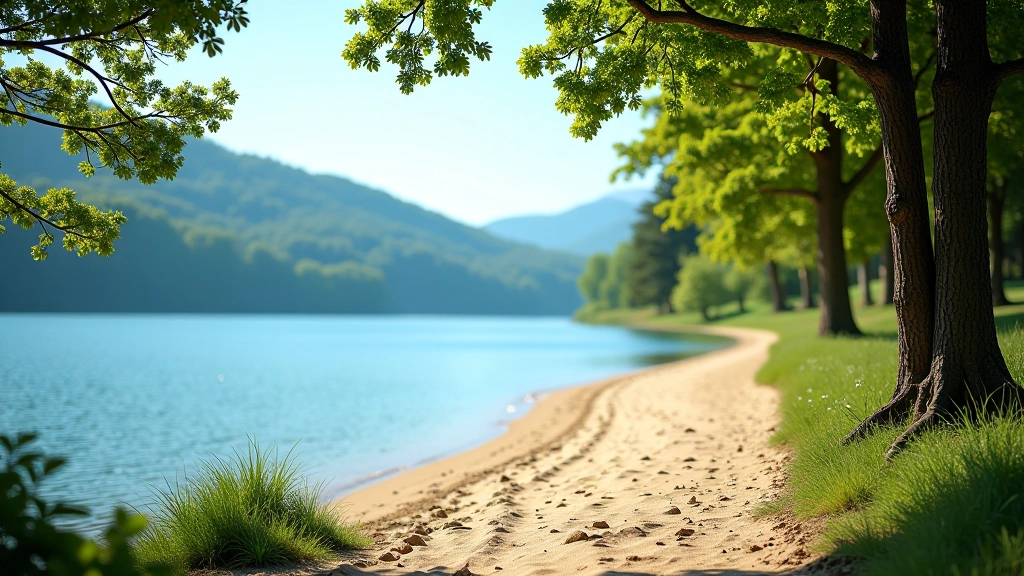
Water views keep kids entertained, and that's exactly what you get here. The entire trail hugs the shoreline with a clear view of the lake throughout. It's mostly flat, which means more energy for actually enjoying the hike instead of fighting the terrain. In summer, there's a small beach area where you can wade if you bring extra shoes — that 10-minute splash break makes the difference between a happy family outing and an exhausted crew.
- Fully flat and shaded
- Multiple rest benches with water views
- Small sandy beach area (seasonal)
- Fishing access (if interested)
Making the Hike Actually Enjoyable
These aren't rules — they're lessons from families who've learned what works.
Before You Go
Start with the shortest trail you're considering. Seriously. Kids' distances are different from adult distances — a 1-mile trail feels like 3 miles when you're 5 years old. Once they complete a short trail, they'll be confident for the next one.
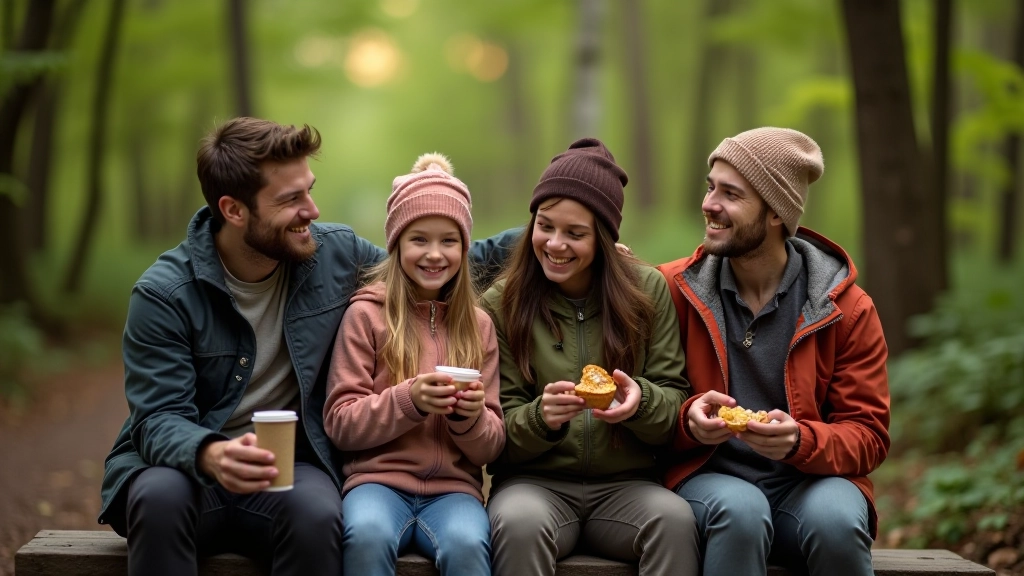
Pack snacks you know they'll eat, not snacks you think they should eat. Trail mix is fine if your kids like trail mix, but crackers and cheese is better if that's what keeps them moving. Water matters more than anything else — bring more than you think you'll need.
During the Hike
Take breaks before anyone asks. It's the difference between stopping for water and stopping because someone's crying. A 10-minute break with snacks every 20-30 minutes makes the entire experience different. Use breaks to look at things — rocks, plants, bugs — make it interesting rather than just sitting.
Let them set the pace. You'll get there slower, but everyone arrives in a better mood. If they want to stop and watch ants for 5 minutes, that's time well spent. This isn't a fitness goal — it's time together outside.
Essential Gear (Without Overdoing It)
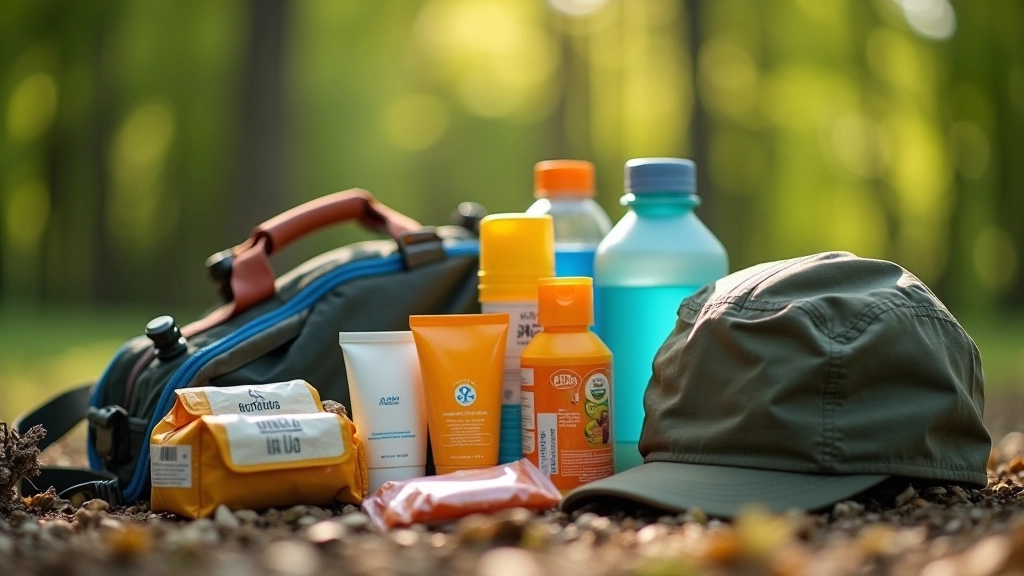
You don't need fancy hiking boots or expensive backpacks. What you do need is stuff that actually works. Comfortable shoes matter — sneakers are fine if they're shoes your kids wear regularly and they're comfortable walking in them. New shoes on a hiking trail is a recipe for blisters and complaints.
Water
At least 2 liters for a 2-hour hike. Bring a bottle with a spout for younger kids so they'll actually drink.
Snacks
Mix of carbs and protein. Crackers, cheese, fruit, granola bars. Things that won't turn into mush in your backpack.
Sun Protection
Sunscreen, hats, and maybe sunglasses. Reapply sunscreen at your break — once isn't enough for a 2-hour hike.
First Aid
Band-aids for blisters, pain reliever, antihistamine for bug bites. Most of what you'll need is small.
The Real Goal
Your first family hike doesn't have to be perfect. Kids don't remember the miles or the elevation gain — they remember whether it was fun. They remember if they found cool rocks, saw wildlife, or got to splash in a creek. They remember if you were patient when they walked slowly, or happy when they accomplished something they thought was hard.
Pick one of these trails, pack your snacks, and go. You'll probably find that your family's favorite hike isn't the most scenic one — it's the one where something clicked, where everyone arrived at the end tired and happy. That's when you know you've picked the right trail.
"Wasn't expecting my 8-year-old to actually enjoy hiking, but we did Lakeside Loop last month and she's asked to go back three times. It's the easy wins that make kids want to do it again."
— Marcus, parent
Important Information
Trail conditions, distances, and features can change seasonally. Always check current conditions with local park authorities before heading out. Weather, recent storms, or maintenance work might affect trail accessibility. Bring a map or download an offline trail app. While these trails are beginner-friendly, hiking involves inherent risks — assess your family's fitness level honestly and choose trails that match your comfort zone. Stay on marked trails, tell someone where you're going, and turn back if conditions don't feel safe.
Related Resources